

Meet Hannah Bazik, PHD
Spotlight on trainee scientists working to understand ANE.
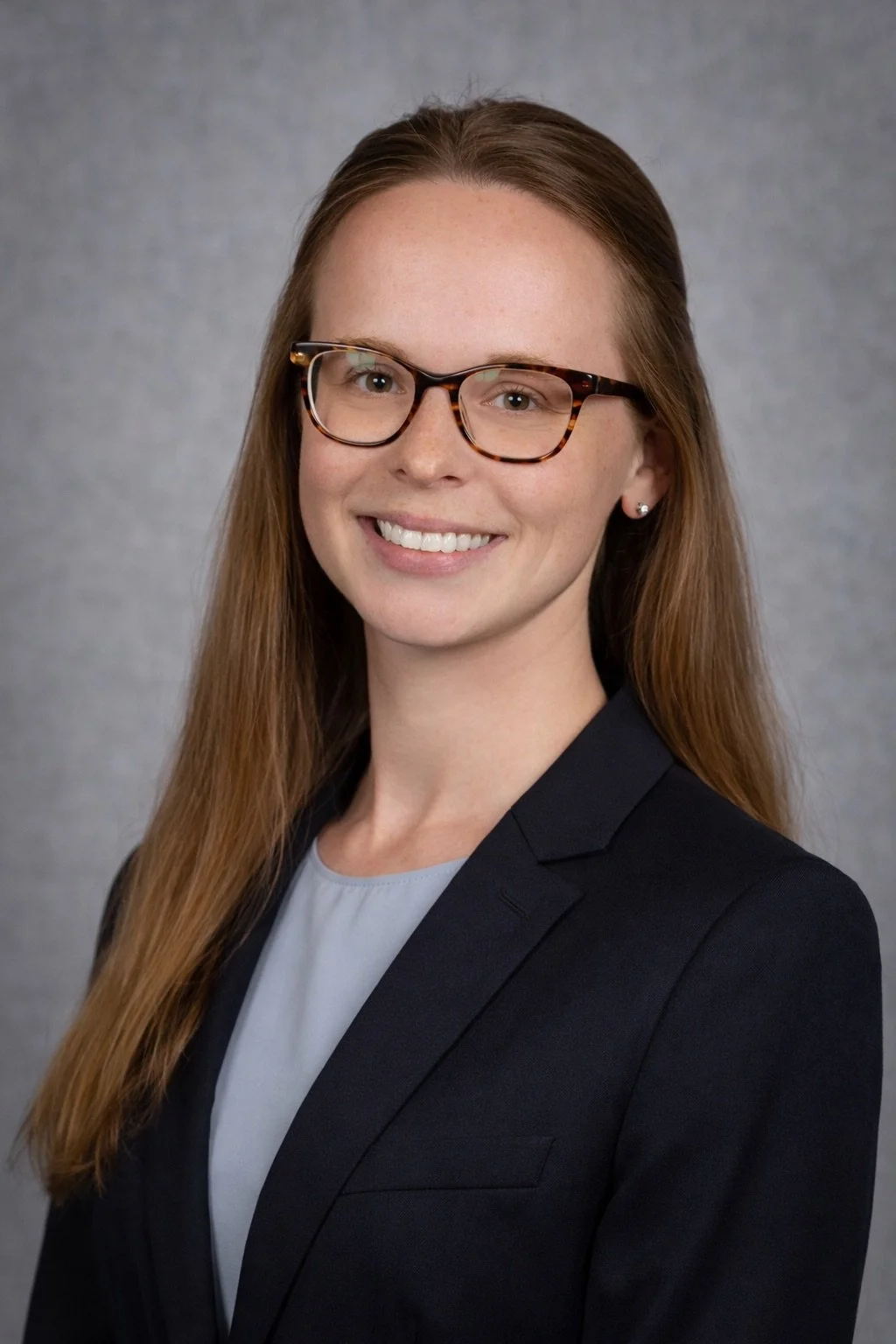
Hannah Bazick, PhD, is a postdoctoral fellow in Dr. Erica Davis’s lab at the Ann & Robert H. Lurie Children’s Hospital of Chicago. Hannah’s goal is to better understand why ANE can cause such severe brain injury and to develop tools that can ultimately help researchers find better treatments. Her publications can be found here.
Before joining Dr. Davis’s lab in April 2026, Hannah spent years studying rare neurological diseases and learning how genetic changes can affect the brain and nervous system. During her post-baccalaureate, graduate and postdoctoral training, in the labs of Dr. Lucia Notterpek and Dr. Mark Zylka, she studied rare conditions including Charcot-Marie-Tooth disease and Angelman syndrome. She learned how to use laboratory and animal models to understand what goes wrong in cells and how those changes might be corrected. This experience has prepared her to study ANE, where an underlying genetic susceptibility may combine with an infection to trigger devastating brain injury.
Hannah’s work in the Davis lab is focused on building something the ANE research community urgently needs: reliable laboratory and animal models that can help scientists understand the disease and explore possible treatments. This includes models of ANE associated with the T585M change in the RANBP2 gene. Because ANE is so rare, researchers have had very limited opportunities to study what happens in the brain during the disease. Creating these models will allow scientists to ask important questions that cannot be answered simply by studying affected children. Hannah’s work will address why an infection can lead to severe brain injury in some people, and what happens to the brain’s nerve cells and other cells during disease progression.
Most importantly, these models will give researchers a way to begin testing potential treatments. Hannah is bringing together genetics, cell biology, neuroscience, and laboratory models to better understand ANE and make meaningful progress for families. Every step toward understanding ANE matters. The support and partnership of families and the ANE community make this research possible. It helps move us closer to a future in which families facing ANE have more answers, more treatment options, and more hope.