

Acute Necrotizing Encephalopathy (ANE) is a rare neurological disorder characterized by rapid brain injury (encephalopathy) that most often develops after an acute febrile illness, typically caused by a viral infection. Common triggers include influenza A, influenza B, COVID-19, human herpesvirus 6 (HHV-6), and other viral illnesses.
Initial symptoms of the infection, such as fever, respiratory illness, or gastrointestinal illness, may quickly progress to seizures, altered consciousness, confusion, or coma. Some individuals may also experience liver dysfunction and other neurological complications.
ANE is believed to result from a combination of environmental and genetic factors. While many cases occur sporadically after viral infections, some are associated with mutations in the RANBP2 gene. This inherited form is known as infection-induced acute encephalopathy 3 (IIAE3) and increases the risk of developing ANE following certain infections.
One of the hallmark features of ANE is a characteristic pattern of symmetric brain lesions that can be identified on MRI or CT imaging. These lesions most commonly affect the thalami, brainstem, cerebellum, and cerebral white matter.
Although there is no cure for ANE, early diagnosis and rapid treatment are essential. Current treatment strategies may include high-dose corticosteroids, intravenous immunoglobulin (IVIG), and other therapies aimed at reducing the body’s inflammatory response while research continues to advance our understanding of the disease and improve future treatment options.
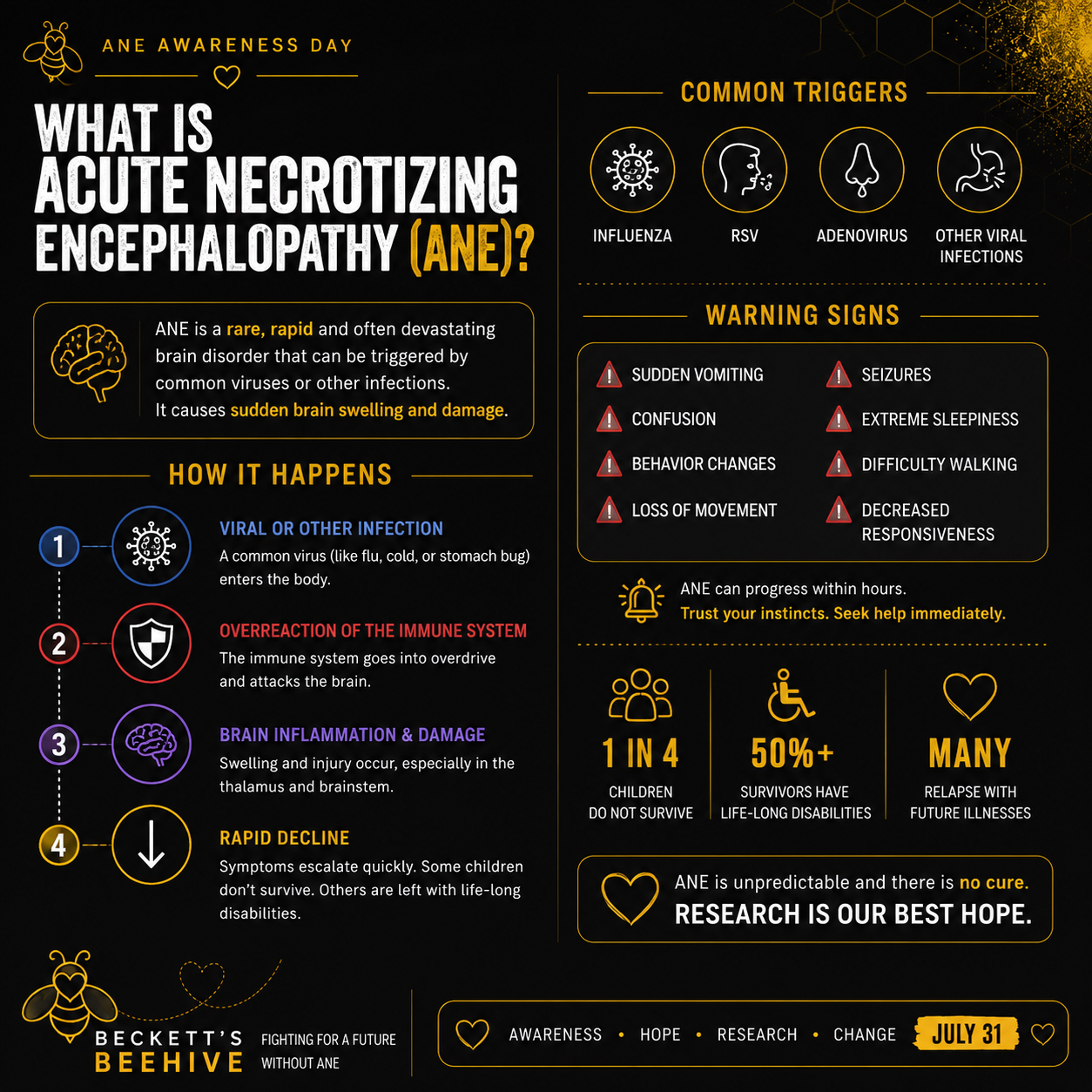
What is Acute Necrotizing Encephalopathy (ANE)?
The latest international consensus recommendations provide guidance for healthcare professionals on the emergency evaluation and treatment of suspected ANE. We encourage families to review this document with their medical team and keep a copy accessible in case of an emergency.
ANE Emergency Protocol
Join the Hive!
Sign up with your email address to receive Beckett’s Beehive news and opportunities to get involved.